High Heels and Foot Health

Wearing high heels regularly can negatively affect foot health, contributing to bunions, hammertoes, plantar fasciitis, and even Achilles tendon tears. Frequent high-heel use often leads to chronic foot pain, stiffness, and imbalance. Choosing heels wisely can reduce these risks. Opt for shoes that are less than one-and-a-half inches high, wider at the heel for stability, with soft insoles for cushioning, and ample toe room to prevent crowding. A podiatrist can evaluate your foot structure, recommend supportive footwear, provide custom orthotics, and treat injuries or pain caused by high heel use. If you enjoy wearing high heels but have developed foot pain, it is suggested that you consult a podiatrist who can treat various foot and ankle conditions, as well as guide you on more appropriate shoes to wear for maximum foot health.

High heels have a history of causing foot and ankle problems. If you have any concerns about your feet or ankles, contact one of our podiatrists from Arch Foot & Ankle. Our doctors can provide the care you need to keep you pain-free and on your feet.

Effects of High Heels on the Feet

High heels are popular shoes among women because of their many styles and societal appeal.  Despite this, high heels can still cause many health problems if worn too frequently.

Which Parts of My Body Will Be Affected by High Heels?

  • Ankle Joints
  • Achilles Tendon – May shorten and stiffen with prolonged wear
  • Balls of the Feet
  • Knees – Heels cause the knees to bend constantly, creating stress on them
  • Back – They decrease the spine’s ability to absorb shock, which may lead to back pain.  The vertebrae of the lower back may compress.

What Kinds of Foot Problems Can Develop from Wearing High Heels?

  • Corns
  • Calluses
  • Hammertoe
  • Bunions
  • Morton’s Neuroma
  • Plantar Fasciitis

How Can I Still Wear High Heels and Maintain Foot Health?

If you want to wear high heeled shoes, make sure that you are not wearing them every day, as this will help prevent long term physical problems.  Try wearing thicker heels as opposed to stilettos to distribute weight more evenly across the feet.  Always make sure you are wearing the proper shoes for the right occasion, such as sneakers for exercising.  If you walk to work, try carrying your heels with you and changing into them once you arrive at work.  Adding inserts to your heels can help cushion your feet and absorb shock. Full foot inserts or metatarsal pads are available. 

If you have any questions, please feel free to contact our offices located in Sugar Land, Houston, Bellaire, and Wayside/Harrisburg, TX . We offer the newest diagnostic and treatment technologies for all your foot care needs.

Read more about Effect of High Heels on the Feet

Let the Expert Treat Your Ingrown Toenails

Ingrown toenails can be painful and can make wearing shoes or walking uncomfortable. Seek professional help if you believe you've developed an ingrown toenail and be treated safely. 

Why Toes Suddenly Swell

Toe swelling can appear gradually or seem to show up overnight, and the cause is not always obvious. Common reasons include minor injuries, repetitive pressure from footwear, arthritis, gout, infections, and circulation problems. Swelling may also be linked to systemic conditions such as diabetes, heart disease, or kidney issues. A podiatrist begins a diagnosis by listening to symptoms, timing, and recent activity. A physical examination looks at skin color, temperature, tenderness, and range of motion. Imaging studies like X-rays or ultrasound may be used to check bones, joints, and soft tissue. Blood work can help identify inflammation, infection, or metabolic causes. Because toe swelling can signal anything from irritation to serious disease, evaluation matters. If toe swelling is painful, persistent, worsening, or unexplained, it is suggested that you see a podiatrist for a proper diagnosis and appropriate treatment.

Toe pain can disrupt your daily activities. If you have any concerns, contact one of our podiatrists of Arch Foot & Ankle. Our doctors can provide the care you need to keep you pain-free and on your feet.

What Causes Toe Pain?

Most severe toe pain is caused due to a sports injury, trauma from dropping something heavy on the toe, or bumping into something rigid. Other problems can develop over time for various reasons.

Toe pain can be caused by one or more ailments. The most common include:

  • Trauma
  • Sports injury
  • Wearing shoes that are too tight
  • Arthritis
  • Gout
  • Corns and calluses
  • Hammertoe
  • Bunions
  • Blisters
  • Ingrown toenails
  • Sprains
  • Fractures (broken bones)
  • Dislocations

When to See a Podiatrist

  • Severe pain
  • Persistent pain that lasts more than a week
  • Signs of infection
  • Continued swelling
  • Pain that prevents walking

Diagnosis

In many cases the cause of toe pain is obvious, but in others, a podiatrist may want to use more advanced methods to determine the problem. These can range from simple visual inspections and sensation tests to X-rays and MRI scans. Prior medical history, family medical history, and any recent physical traumatic events will all be taken into consideration for a proper diagnosis.

Treatment

Treatments for toe pain and injuries vary and may include shoe inserts, padding, taping, medicines, injections, and in some cases, surgery. If you believe that you have broken a toe, please see a podiatrist as soon as possible.

If you have any questions please contact our offices located in Sugar Land, Houston, Bellaire, and Wayside/Harrisburg, TX . We offer the newest diagnostic and treatment technologies for all your foot and ankle needs.

Read more about Toe Pain

Foot Anatomy and Stability

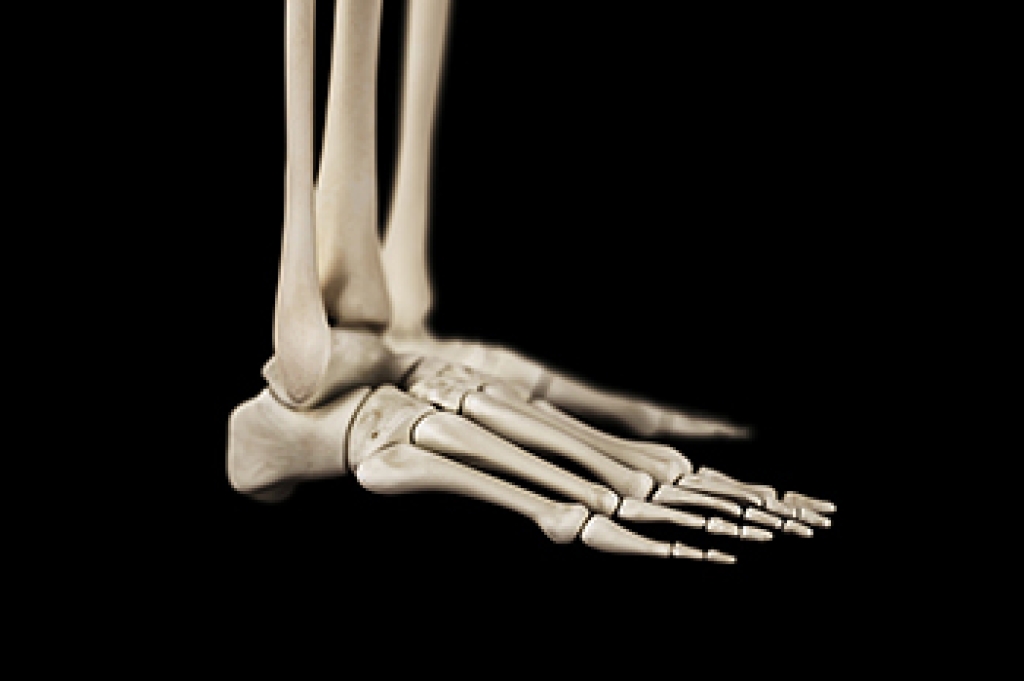
Foot and ankle anatomy plays a vital role in movement, balance, and daily comfort. The structure includes joints, tarsal bones, metatarsals, and phalanges that work together to support body weight and allow smooth motion. Ligaments connect these bones and help create stability by guiding proper alignment during walking and standing. When an imbalance occurs, stress may be placed on certain joints or tissues, leading to foot pain, inflammation, or difficulty with mobility. Problems such as heel pain, arch strain, and joint discomfort can develop over time. If you have foot pain, it is suggested that you consult a podiatrist who can assess foot structure, identify imbalance, and provide treatment options such as custom orthotics, supportive care, or other targeted treatments. 

If you have any concerns about your feet, contact one of our podiatrists from Arch Foot & Ankle. Our doctors can provide the care you need to keep you pain-free and on your feet.

Biomechanics in Podiatry

Podiatric biomechanics is a particular sector of specialty podiatry with licensed practitioners who are trained to diagnose and treat conditions affecting the foot, ankle and lower leg. Biomechanics deals with the forces that act against the body, causing an interference with the biological structures. It focuses on the movement of the ankle, the foot and the forces that interact with them.

A History of Biomechanics

  • Biomechanics dates back to the BC era in Egypt where evidence of professional foot care has been recorded.
  • In 1974, biomechanics gained a higher profile from the studies of Merton Root, who claimed that by changing or controlling the forces between the ankle and the foot, corrections or conditions could be implemented to gain strength and coordination in the area.

Modern technological improvements are based on past theories and therapeutic processes that provide a better understanding of podiatric concepts for biomechanics. Computers can provide accurate information about the forces and patterns of the feet and lower legs.

Understanding biomechanics of the feet can help improve and eliminate pain, stopping further stress to the foot.

If you have any questions please feel free to contact our offices located in Sugar Land, Houston, Bellaire, and Wayside/Harrisburg, TX . We offer the newest diagnostic and treatment technologies for all your foot and ankle needs.

Read more about The Importance of Biomechanics in Podiatry

Heel Pain in Growing Children and What It May Mean

Heel discomfort in children is surprisingly common, especially during growth spurts when the bones, muscles, and tendons develop at different speeds. One of the most frequent causes is irritation of the growth plate at the back of the heel, often called Sever’s disease. This condition can create soreness during activity, stiffness after rest, or limping during sports. Tight calf muscles, flat feet, high arches, and wearing worn-out shoes can add extra strain to the heel, making symptoms more noticeable. Because kids are often active and may not slow down when something hurts, the irritation can worsen without guidance. A podiatrist can evaluate the child’s foot structure, activity level, and gait to determine the exact cause of the pain. Treatment may include activity modification, stretching, wearing supportive footwear, or orthotic devices that reduce pressure on the heel. If your child’s heel pain persists, affects sports participation, or causes limping, it is suggested that you see a podiatrist for a proper assessment and appropriate care.

Sever's disease often occurs in children and teens. If your child is experiencing foot or ankle pain, see one of our podiatrists from Arch Foot & Ankle. Our doctors can treat your child’s foot and ankle needs.

Sever’s Disease

Sever’s disease is also known as calcaneal apophysitis, which is a medical condition that causes heel pain I none or both feet. The disease is known to affect children between the ages of 8 and 14.

Sever’s disease occurs when part of the child’s heel known as the growth plate (calcaneal epiphysis) is attached to the Achilles tendon. This area can suffer injury when the muscles and tendons of the growing foot do not keep pace with bone growth. Therefore, the constant pain which one experiences at the back of the heel will make the child unable to put any weight on the heel. The child is then forced to walk on their toes.

Symptoms

Acute pain – Pain associated with Sever’s disease is usually felt in the heel when the child engages in physical activity such as walking, jumping and or running.

Highly active – Children who are very active are among the most susceptible in experiencing Sever’s disease, because of the stress and tension placed on their feet.

If you have any questions, please feel free to contact our offices located in Sugar Land, Houston, Bellaire, and Wayside/Harrisburg, TX . We offer the newest diagnostic and treatment technologies for all your foot care needs.
Read more about Sever's Disease
scroll to top